
Resources
Practical guides and connections to support educational reentry
This Toolkit is for anyone impacted by the criminal legal system — whether directly, through a loved one, or as an educator, employer, or ally. The resources below include practical guides, FAQs, and printable tools designed to support next steps at your own pace.
For Students

Take the next step to success.
Starting or returning to school while navigating system involvement can feel overwhelming — but you don’t have to do it alone.
This section offers practical tools to help you plan clearly and move forward at your own pace, whether you are preparing during incarceration, transitioning back into the community, or continuing your education.
⬇️ Download the Student Pack (PDF)
A compiled collection of the student planning tools below and expanded guidance designed for printing and use in classrooms, facilities, and community settings.
Individual tools are available in the Resource Database.
5-Step Reentry Guide for Students
1. Get your basics in order
Make sure you have an ID, phone, and email address. These are the tools you’ll use for applications and to stay connected with your campus.
2. Explore your options
Decide what fits your goals — a certificate, associate degree, or transfer program. Visit the TCI Schools tab in this Toolkit to see what each of the 14 San Diego colleges and universities offers.
3.Connect with a campus contact
Each school has staff who support system-impacted students. Reaching out to them is the best first step — they’ll walk you through applications, financial aid, and class choices.
4. Apply for financial aid early
Most system-impacted students qualify for Pell Grants, California aid, and fee waivers. You don’t have to figure this out alone — campus financial aid offices and the Resource Database can help.
5. Build your support system
Looking for more detail?
For a step-by-step planning guide, ⬇️ Download the Student Pack (PDF) or visit the Resource Database.
Student FAQs
1. Can I apply to college if I’ve been impacted by the justice system?
Yes. Whether you were incarcerated, on probation, facing charges, or supporting a loved one, you are welcome to apply. The schools in the TCI network already serve system-impacted students and have dedicated staff who can help.
2. What if I don’t know which program or school is right for me?
Start with your goals — do you want a short-term certificate, an associate’s degree, or to transfer to a university? Visit TCI Schools to see what each of the 14 colleges and universities offers, and reach out to their reentry contacts for guidance.
3. Can my record affect financial aid?
In most cases, no. Federal Pell Grants and California state aid are available to system-impacted students. Certain drug-related convictions may affect aid temporarily, but staff at your campus financial aid office can help you understand your options, including scholarships and grants.
4. How do I pay for school if I don’t have steady income?
Most students use a combination of Pell Grants, state aid, and fee waivers. Scholarships, stipends, and emergency grants are also available. The Resource Database includes links to financial supports that you can explore or ask staff at any of our TCI programs.
5. What kind of support is available on campus?
All TCI colleges and universities offer tutoring, counseling, and academic advising services. Many also offer food pantries, transportation help, and student groups specifically for system-impacted learners.
6. What if I need help with housing, food, or transportation?
These needs are common. The Resource Database lists local and state programs that help with housing, food (like CalFresh), and transportation. Ask your TCI program advisor about emergency aid or community partnerships.
7. How do I connect with other system-impacted students?
Many campuses have student groups, peer mentors, or Rising Scholars programs where students who are system-impacted connect. You can also meet others through coalition-wide Events listed in the Toolkit.
8. Will people on campus know about my past?
Only if you choose to share it. You are not required to disclose your justice system involvement to professors or classmates. Advisors and staff trained in reentry support can provide a safe space to share when it feels helpful.
9. Can I use credits from past schooling or programs while incarcerated?
Yes. You can often transfer credits from previous colleges, GED, or vocational programs. Bring transcripts or ask your advisor to help request them. Even if all credits don’t transfer, prior learning can still shorten your path.
10. What if school feels overwhelming or I face barriers?
You’re not alone — many system-impacted students juggle family, work, probation, and school. Reach out early to your TCI program advisor. The Resource Database lists supports for housing, legal aid, and wellness if you need extra help.
Need help choosing classes or planning your path?
You don’t have to figure this out alone. Each TCI program has dedicated staff who understand the challenges system-impacted students face. Meeting with a program advisor can help you set goals, transfer credits, and connect with campus supports at your own pace.
Ready to see what’s offered on each campus? Visit TCI Schools to connect with the 14 TCI colleges and universities.
For Educators

Faculty & Staff
Faculty, advisors, and program staff play a key role in helping system-impacted students thrive. These tools are relevant for educators working both on campus and inside facilities, including jail- and prison-based education programs.
This section provides practical strategies, referral tools, and best-practice resources to support students without requiring disclosure.
⬇️ Download the Educator and Advisor Pack (PDF)
A concise guide with practical tools and best practices for supporting system-impacted students in campus and correctional education settings.
Individual tools are available in the Resource Database.
Quick Guide: 5 Ways to Support System-Impacted Students
1. Use affirming language
Say “system-impacted students” rather than terms that stigmatize. Keep communication clear and supportive.
2. Normalize access to supports
Present tutoring, counseling, and financial aid services to all students, so system-impacted learners don’t feel singled out.
3. Practice trauma-informed teaching
Be flexible with deadlines, acknowledge stressors, and create space for students to self-advocate without penalty.
4. Foster community in the classroom
Encourage collaboration, peer mentoring, and inclusive discussions. Build belonging through recognition of diverse experiences.
5. Connect students early to resources
Refer students to the Toolkit’s Resource Database and TCI Schools page as part of advising and classroom announcements.
Featured Resource

Michelson 20MM Foundation’s “California’s Best Practices: Pathways from Prison to College”
- In 2021, the Michelson 20MM Foundation convened leading experts, advocates, and student leaders to form the Smart Justice Think Tank (SJTT) to establish the Best Practices. The detailed strategies identified are directly informed by the lived experiences of system-impacted scholars and their academic advisors/mentees.
- ⬇️ Download their best practices for FREE
Collaboration & Expansion
The Transfer Coalition Initiative began as a regional collaboration among colleges and universities in San Diego. If you are an educator, administrator, or advocate interested in adapting a similar model in your region, we welcome conversation and knowledge-sharing.
➡️ Contact us to explore collaboration.
Community Partners & Employers

Classroom to Community
Community organizations, employers, funders, and advocates play a critical role in expanding opportunities for system-impacted students. Sustainable pathways from education to meaningful careers require coordinated, cross-sector collaboration.
The Transfer Coalition Initiative works with regional partners to strengthen workforce pathways, support fair hiring practices, and reduce structural barriers that limit long-term social and economic mobility.
This section outlines structured ways to engage with TCI and participate in building equitable career pathways.
⬇️ Download the Community Partners & Employers Pack (PDF)
A guide outlining TCI’s coalition model, structured partnership pathways, and workforce strategies that support long-term mobility for system-impacted students.
Individual tools are available in the Resource Database.
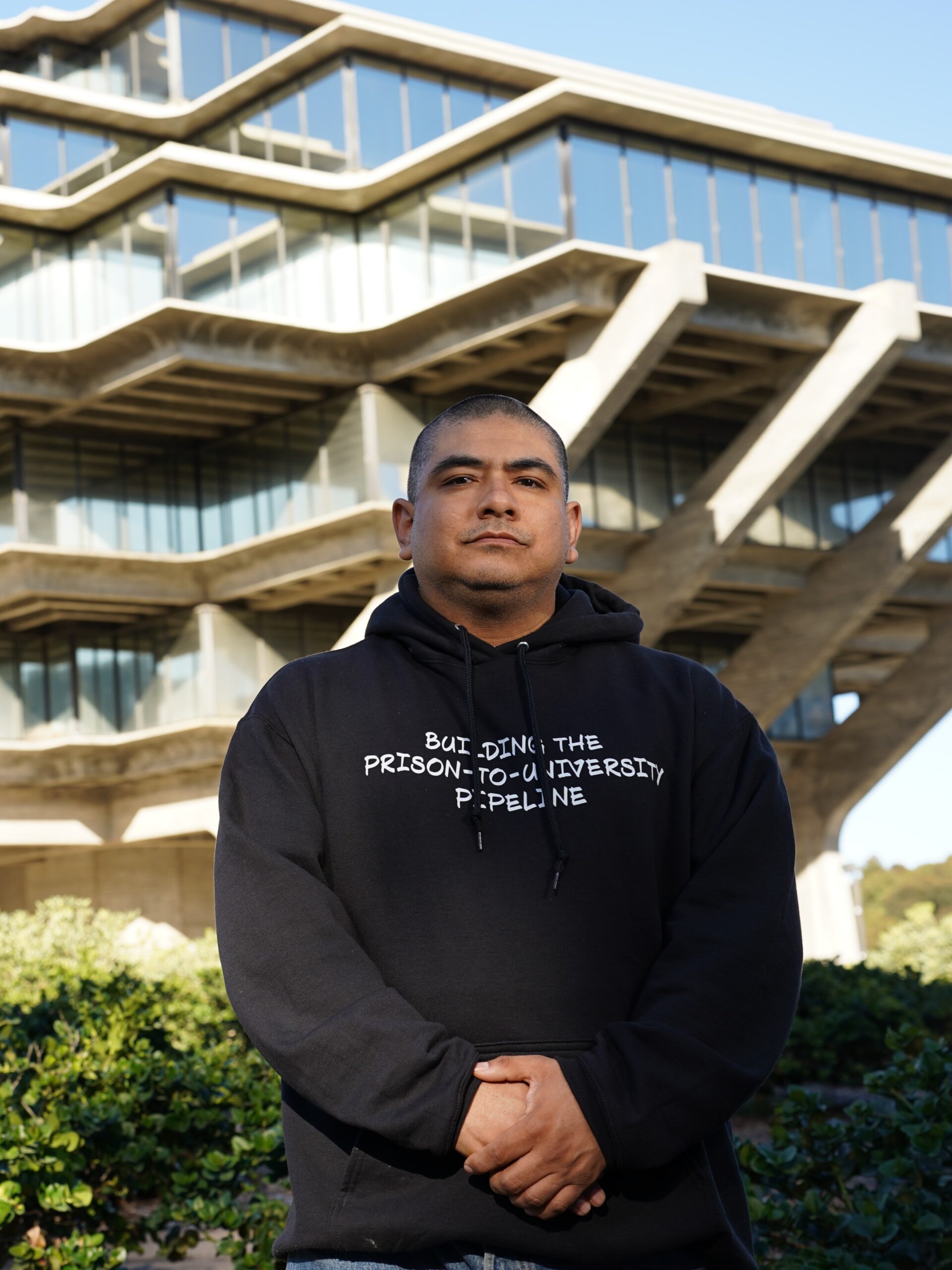
At the San Diego College of Continuing Education, Rising Scholars works closely with community organizations and employers to support students through career training, internships, and pathways to employment. Their efforts show how strong partnerships can help students transition into both education and the workforce.

Partnership Pathways
TCI works across sectors to strengthen educational and career pathways for system-impacted students. Our partnership pathways are designed to support meaningful, sustained collaboration that connects campuses, employers, and communities.
Ways to Partner with TCI:
Mentorship
Share your professional journey through one-on-one or group mentorship.
Internships & Site Visits
Provide students with hands-on experiences to explore career paths.
Employment Pathways
Hire system-impacted students and alumni into positions that value persistence and resilience.
Sponsorship & Support
Partner on events, resource fairs, or provide funding to expand opportunities.
Explore Partnership Opportunities
If your organization is interested in strengthening workforce pathways for system-impacted students, we welcome conversation. TCI collaborates with employers, agencies, and community organizations to build sustainable, equitable career pipelines across San Diego.
➡️ Connect with TCI.
Loved Ones & Allies
Future Success
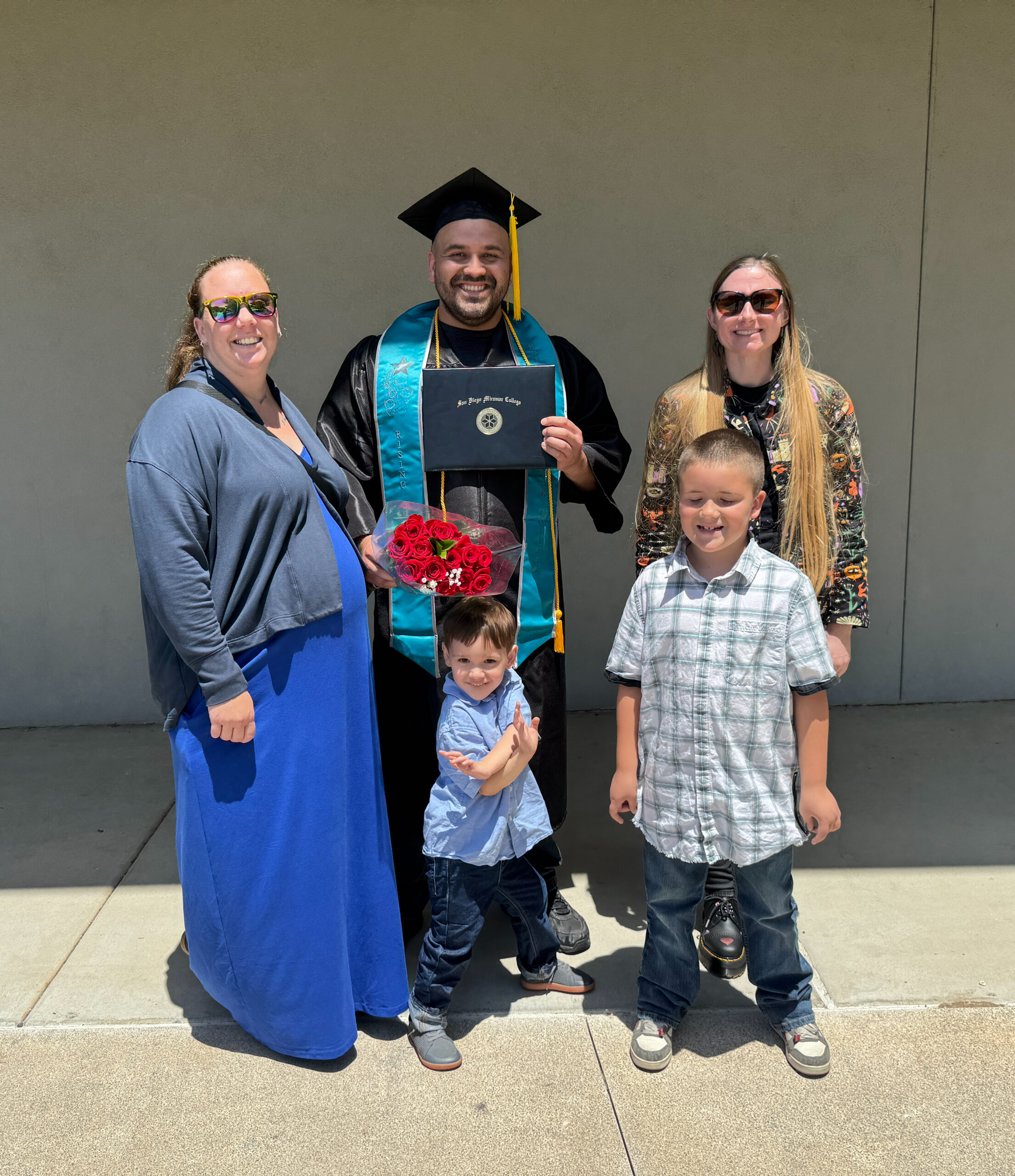
Family members, partners, and allies often play a quiet but essential role in educational reentry. Support does not require having all the answers — it begins with listening, consistency, and encouragement.
This section offers practical guidance for loved ones who want to support someone navigating college after system involvement.
⬇️ Download the Loved Ones & Allies Pack (PDF)
A practical guide offering clear ways to provide steady, informed support throughout the college reentry journey.
Individual tools are available in the Resource Database.
FAQs
1. How can I support a loved one who is starting or returning to school?
Encourage consistency, check in regularly, and remind them that it’s okay to ask for help. Offer practical support with schedules, transportation, childcare, or a quiet space to study when possible. Listening without judgment and celebrating small milestones can strengthen confidence during reentry.
2.What if my loved one is incarcerated, hesitant to reach out, or worried about stigma?
It’s common for students to feel uncertain about disclosing their history or contacting support programs. TCI staff understand these concerns and prioritize confidentiality and respect. Loved ones can reach out for general information and guidance, even if the student is not yet ready to connect directly.
3. What kinds of support do TCI programs offer?
Across the 14 participating colleges and universities, TCI programs provide dedicated advising, financial aid navigation, peer mentorship, workshops, and community-building opportunities. These supports are designed specifically for students navigating education after system involvement.
4. How can I take care of myself while offering support?
Supporting someone through reentry and college can be meaningful but also demanding. Set realistic expectations, seek trusted support when needed, and make space for your own well-being. Sustaining your own stability help create a steady foundation for your loved one.
What to Know About Reentry into Education
Progress May Not Be Linear
Returning to college after system involvement often includes stops, starts, and course corrections. Momentum builds over time — not all at once.
External Pressures Are Real
Housing, employment, and financial stress can shape academic focus in ways that aren’t always visible from the outside.
Privacy and Trust Matter
Students may move carefully when deciding who to tell about their past. Respecting their pace can help build confidence and trust.
Connection Reduces Isolation
Reentry programs are designed to create community and belonging. Encouraging early connection can make the transition feel less overwhelming.
Curious about the programs your loved one may join?
Visit TCI Schools to see all 14 participating colleges and universities.
Resource Database
A curated collection of trusted resources for system-impacted students, families, and educators. Resources are organized by category and linked to searchable, printable Google Sheets. The database is updated regularly as new opportunities and programs become available.